Waste to Wellness: Transforming Hair Waste into High-Value Keratin Formulations
In today’s world, sustainability is no longer a choice—it’s a responsibility.
Read Article



As industries and governments seek sustainable alternatives to traditional waste disposal methods, waste valorisation is emerging as a cornerstone of the circular economy.
Waste valorisation refers to the process of converting waste into useful products or energy through biological, chemical, or physical methods. Unlike conventional waste management—which focuses on disposal—valorisation emphasizes recovery, regeneration, and reuse.
Microorganisms play a key role in converting organic waste into valuable outputs such as:
Through controlled microbial activity, organic matter is decomposed and transformed into energy-rich or nutrient-rich products.
Enzymes accelerate the breakdown of waste at a molecular level, enabling:
Advanced physio-chemical methods are used to process industrial and hazardous waste, ensuring:
Waste valorisation is a structured, multi-stage process:
Initial experiments validate the feasibility of converting specific waste streams.
Solutions are tested under controlled conditions to assess performance and scalability.
Validated technologies are deployed in real-world environments, ensuring efficiency and economic viability.
Waste valorisation is more than just waste management—it is a powerful strategy for sustainability, innovation, and economic growth. By turning waste into wealth, industries can significantly reduce their environmental footprint while unlocking new value streams
Exploring innovation, science, and sustainable solutions shaping the future of resource recovery.
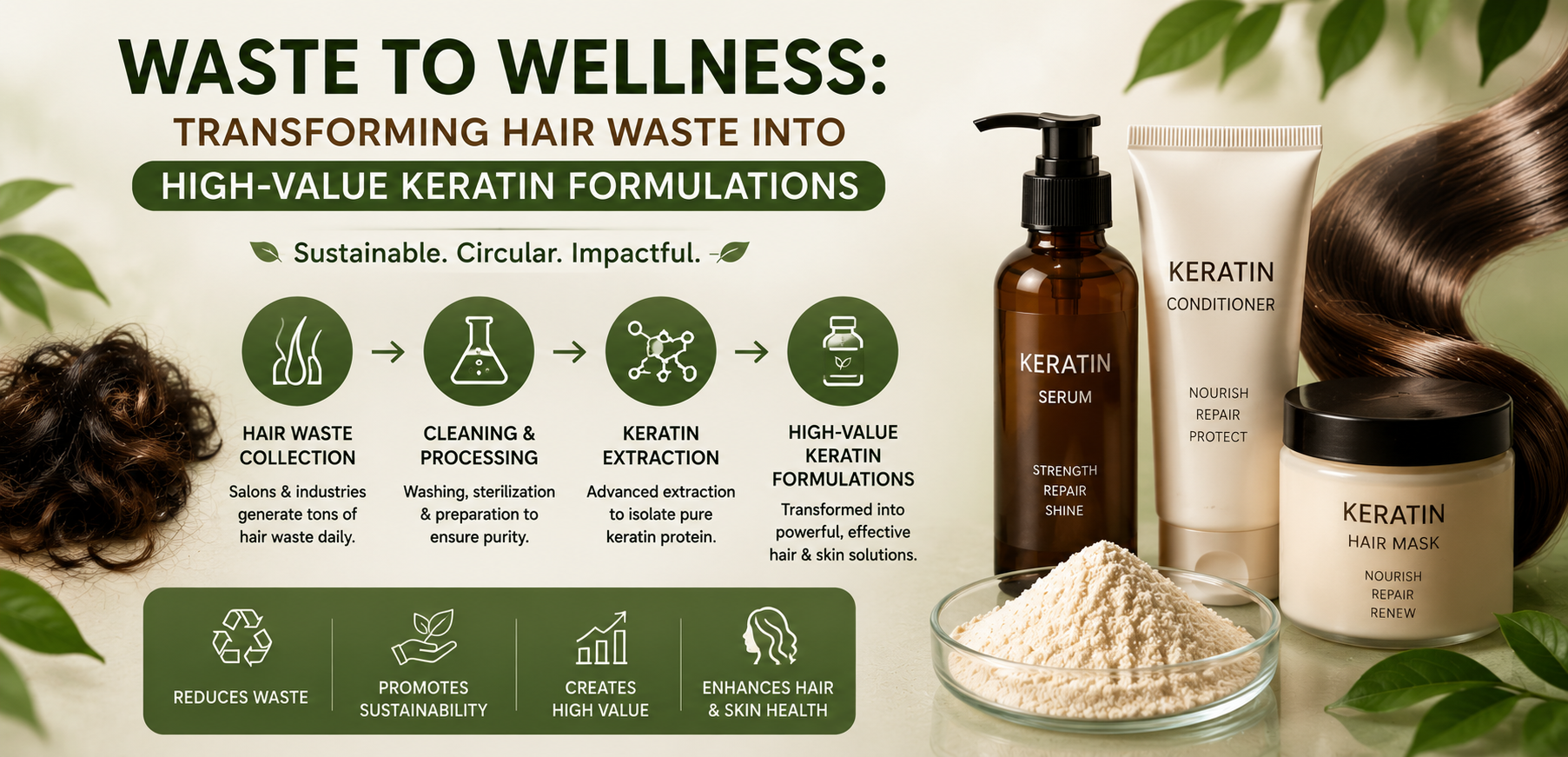
In today’s world, sustainability is no longer a choice—it’s a responsibility.
Read Article

As global industries face increasing pressure to adopt sustainable practices, the circular economy has emerged as a transformative solution.
Read Article
Connect with Suvari Resource Recovery for advanced waste valorisation, sustainability strategy, and scientific resource recovery solutions.
 Request Project Quote
  Call Us Now

